

- Home
- Products +
- About Us +
- Projects
- Application +
- News +
- Contact Us
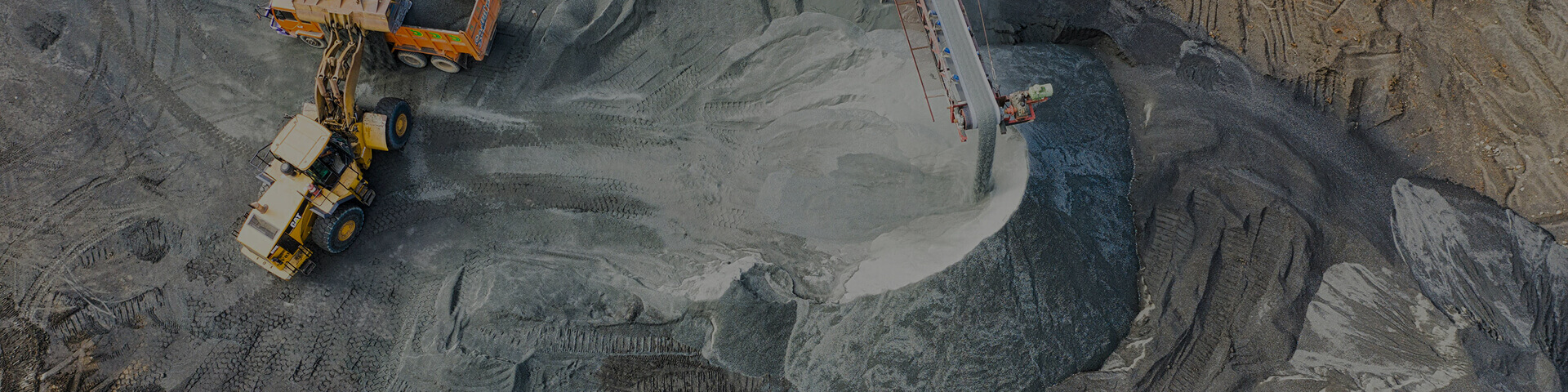
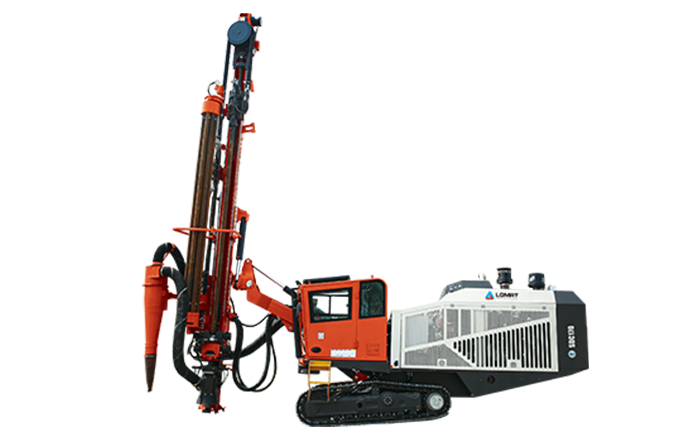
The SDC170 fully hydraulic down-the-hole surface drilling rig is specifically engineered for large-diameter drilling operations in open-pit mines and quarries. It delivers safety, environmental compliance, stable performance, and high productivity, fully meeting the scaled drilling demands of mining operations. Equipped with the Sandvik HTRH6 rotary unit, it can effortlessly tackle diverse rock drilling challenges and adapt to complex working conditions. The CMS air compressor management and drilling control system significantly reduces fuel consumption. The fieldbus control system enhances information integration to ensure reliable operation, easy maintenance and minimized downtime. The high-efficiency dust collection system provides excellent dust removal performance, meeting green mining environmental requirements and maintaining a clean working environment. This comprehensive approach ensures efficient, compliant drilling operations.
Product Advantages
The SDC170 supports a published hole diameter range of 138–178 mm, making it suitable for evaluation in quarry and open-pit mining projects that require larger-diameter surface drilling. Hole diameter selection should reflect bench height, blast design, rock properties, required fragmentation, and the planned drilling pattern.
Selecting the correct diameter can help align drilling operations with downstream blasting, loading, hauling, and crushing requirements. Before purchasing, confirm the target hole depth, drilling angle, hammer and bit configuration, and expected drilling output for your specific quarry.
The SDC170 is equipped with a Sandvik HTRH6 rotary unit. The rotary unit is an important component of the drilling system because rotation must work together with the DTH hammer, drill pipe, and bit to maintain effective drilling operation.
Buyers should confirm the approved operating range, connection compatibility, maintenance requirements, and availability of replacement components for the offered configuration. Correct matching of the rotary unit and drilling tools is important when planning long-term equipment operation.
The SDC170 has a published compressor specification of 24.6 m³/min at 24 bar. Compressed air powers the down-the-hole hammer and helps remove rock cuttings from the borehole. Air flow and pressure must therefore be matched to the selected hammer, drill pipe, hole diameter, and drilling conditions.
Insufficient air supply can affect hammer performance and cuttings removal, while an unsuitable operating point can increase energy consumption. Confirm the required air supply for the intended hammer and bit combination rather than comparing compressor pressure alone.
The SDC170 incorporates a CMS air compressor management and drilling control system designed to coordinate equipment operation with drilling demand. Appropriate compressor management can help avoid unnecessary energy consumption when operating conditions change.
Actual fuel consumption depends on rock hardness, hole diameter, drilling depth, compressor load, engine operation, and maintenance. Request operating data under comparable drilling conditions when evaluating expected fuel costs or comparing competing quarry DTH drill rigs.
The fieldbus control system supports information integration across the machine's control functions. For quarry operators and equipment managers, integrated monitoring can help with operational visibility, fault identification, and maintenance planning.
Before purchase, ask HCLH to confirm which operating parameters, alarms, diagnostic functions, and service information are available through the supplied control configuration. These details can help determine whether the system meets your maintenance and operational monitoring requirements.
Dry drilling in quarries can generate significant airborne dust, especially when working with hard and abrasive rock. The SDC170 features a high-efficiency dust collection system designed to capture drilling dust and support cleaner working conditions.
Effective dust management also depends on filter condition, maintenance intervals, rock characteristics, and site operating practices. Confirm filter specifications, replacement requirements, and any additional dust suppression measures needed to comply with local environmental and occupational health regulations.
The SDC170 uses an open equipment layout that places routine maintenance points within reach. Easier access can help maintenance personnel carry out inspections and scheduled servicing more efficiently.
For continuous quarry operations, maintenance planning should include engine servicing, compressor inspections, hydraulic system checks, filter replacement, rotary unit maintenance, and drilling tool inspection. Confirm the manufacturer's recommended service intervals and spare parts arrangements before placing an order.
The SDC170 is designed for large-diameter surface rock drilling in quarries and open-pit mines. Its suitability for a specific project depends on the required hole diameter and depth, rock conditions, drilling pattern, air supply, and production target.
Granite, basalt, limestone, and other quarry materials can require different drilling parameters according to rock strength, abrasiveness, and the intended blasting results. The SDC170's 138–178 mm drilling range provides a basis for evaluating whether the machine matches the quarry's blast-hole design.
Quarry operators should consider bench height, hole spacing, burden, target depth, expected meters drilled per shift, and the fragmentation requirements of downstream crushing equipment. The final hammer and bit configuration should be selected according to actual site conditions.
Open-pit mines need drilling equipment that can support planned production patterns and maintain availability across repeated drilling cycles. The SDC170 can be evaluated for mining projects requiring holes within its published diameter range.
Before selecting the rig, define the required drilling depth, hole inclination, daily production target, rock characteristics, and site operating conditions. Compressor performance, tool consumption, maintenance access, and spare parts availability should also be included in the evaluation.
Certain infrastructure and civil engineering projects require large-diameter rock drilling as part of excavation or blasting preparation. Equipment selection should account for project design, site access, ground conditions, required hole geometry, and applicable safety requirements.
Explore HCLH's Mining, Quarrying and Construction Applications for more information about the industries served by its drilling equipment.
The right quarry DTH drill rig should match the drilling plan, not simply the engine rating or purchase price. Evaluate the following factors before requesting a quotation for the SDC170.
Start with the required hole diameter, depth, inclination, and drilling pattern. The SDC170 has a published hole diameter range of 138–178 mm. Maximum drilling depth is not specified in the published summary, so ask HCLH to confirm the achievable depth for your selected drill pipe arrangement and machine configuration.
Rock strength, abrasiveness, fractures, and geological variation influence penetration rate, bit life, and drilling stability. Provide geological data or previous drilling records when possible so the hammer and bit can be matched to the actual formation.
The published SDC170 configuration includes 5-inch or 6-inch DTH hammers and 102 mm or 114 mm drill pipes. Confirm the approved combinations, connection specifications, and compatible bit diameters for your required hole size before ordering.
Check that the compressor's air flow and operating pressure meet the requirements of the selected hammer. The SDC170 is specified at 24.6 m³/min at 24 bar, but actual drilling performance depends on the complete air delivery system, drilling depth, hole diameter, and rock conditions.
Estimate the number of holes and total meters required per shift. Include drilling time, machine repositioning, rod handling, inspections, bit changes, and planned maintenance when calculating the required equipment capacity.
Compare fuel use, drill bit consumption, hammer servicing, maintenance labor, spare parts, and downtime. The lowest purchase price does not necessarily result in the lowest cost per meter drilled.
The SDC170 has published dimensions of 12,190 × 2,690 × 3,420 mm and an operating weight of 24,650 kg. Check transportation restrictions, loading arrangements, access roads, working space, and site ground conditions before arranging delivery.
The published engine specification is 335 kW, Tier III. Confirm the actual engine version and the emissions requirements of the destination market. Also establish spare parts availability, service arrangements, warranty terms, and the technical support available during operation.
HCLH offers three surface DTH drilling rig models with different hole diameter ranges, compressor specifications, and machine configurations. Comparing these parameters helps buyers narrow down suitable models before discussing detailed project requirements.
| Parameter | SDC150 | SDC150H | SDC170 |
|---|---|---|---|
| Hole Diameter | 115–152 mm | 115–165 mm | 138–178 mm |
| Drill Pipe Diameter | 89 mm | 76 / 89 / 102 mm | 102 / 114 mm |
| DTH Hammer | 4 or 5 inches | 4 or 5 inches | 5 or 6 inches |
| Air Flow and Pressure | 18.5 m³/min at 22 bar | 21 m³/min at 22 bar | 24.6 m³/min at 24 bar |
| Engine Output | 264 kW | 264 kW; 294 kW optional | 335 kW, Tier III specification |
| Operating Weight | 16,500 kg | 18,000 kg | 24,650 kg |
| Product Details | View SDC150 | View SDC150H | View SDC170 |
The SDC170 is the model to evaluate when the drilling plan requires hole diameters between 138 and 178 mm and a compressor specification of 24.6 m³/min at 24 bar. The SDC150 and SDC150H offer different published diameter ranges and compressor configurations that may better match other drilling requirements.
Compare the full Down-the-Hole Drilling Rigs range before deciding which machine to specify.
Quarry drilling performance depends on the compatibility of the rig, rotary unit, DTH hammer, drill pipe, and drill bit. The selected components should match the target hole diameter, air supply, rock formation, and operating conditions.
The SDC170 lists 5-inch and 6-inch hammer options. Hammer selection should be based on the required hole diameter, compressor operating point, rock properties, and the approved configuration of the rig.
Bit diameter, button configuration, face design, and carbide grade affect penetration rate, hole quality, and wear life. Match the bit to the rock formation and drilling objective rather than selecting it by diameter alone.
The published SDC170 specifications list 102 mm and 114 mm drill pipe options. Confirm pipe length, connection dimensions, and compatibility with the selected hammer and rotary system before purchasing replacement components.
Browse HCLH's Down-the-Hole Drilling Tools for related drilling components. When requesting a tooling recommendation, provide your rig model, required hole diameter, hammer size, drill pipe specification, and rock conditions.
Beijing Haichuang Unite Technology Co., Ltd. supplies mining machinery, rock drilling equipment, drilling tools, and related spare parts for international customers. HCLH reports more than 20 years of experience in rock drilling and serves mining, quarrying, and infrastructure applications.

Parameters
|
Hole Diameter (mm) |
138-178 |
|
Drill Pipe Dia. (mm) |
102 / 114 |
|
DTH Hammer (”) |
5 or 6 |
|
Air Flow & Pressure(m³/min@bar) |
24.6@24 |
|
Engine Output (kW) |
335 (Tier III) |
|
Dimension |
12,190×2,690×3,420 |
|
Weight (kg) |
24,650 |
FAQ
Do you provide technical support?
Yes. We provide professional pre-sales, in-sales, and after-sales support, along with expert technical guidance and usage precautions.
Sales Coverage
We supply specialized products to customers worldwide.
Do you provide technical support?
Yes. We provide professional pre-sales, in-sales, and after-sales support, along with expert technical guidance and usage precautions.
Warranty Policy
We provide repair service if there is necessary
Payment Methods
30% advance payment,70% balance payment before shipment
Latest Products
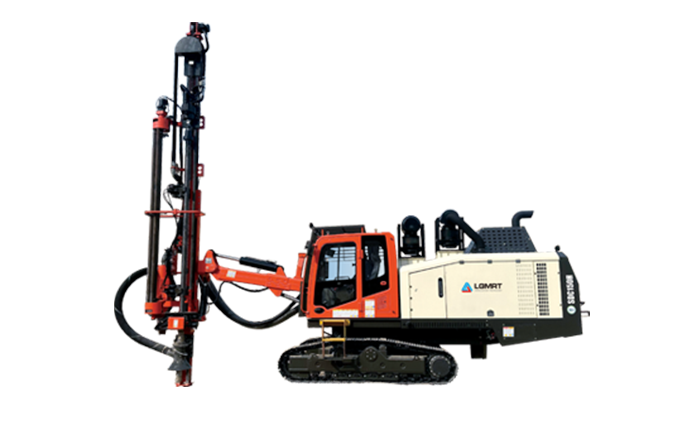
SDC150H Surface Down-the-hole Drilling Rig
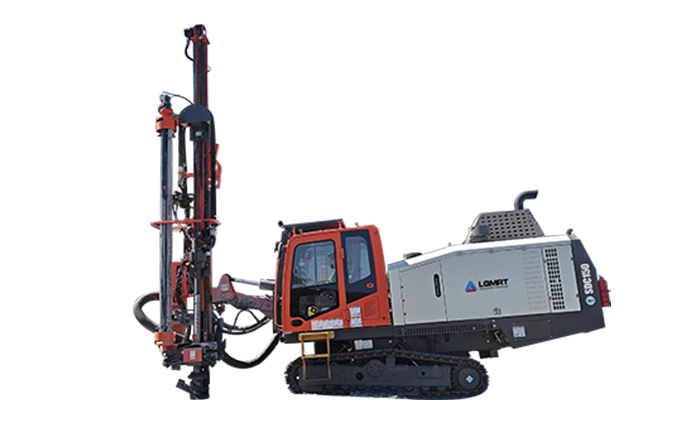
SDC150 Surface Down-the-hole Drilling Rig
We are dedicated to building a better future with you through meticulous and professional service!