

- Home
- Products +
- About Us +
- Projects
- Application +
- News +
- Contact Us
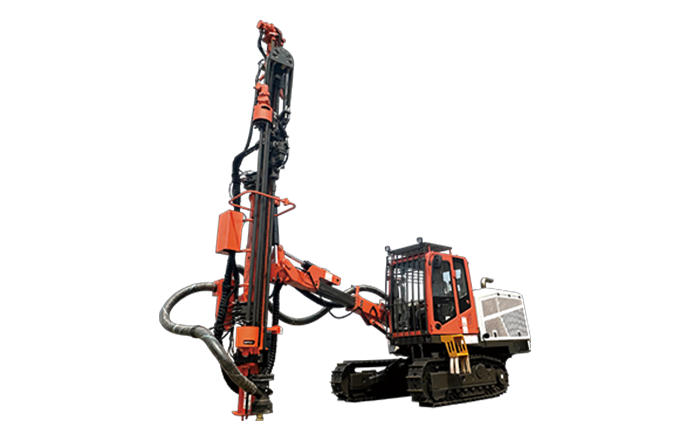
The LGMRT ST120H is a fully hydraulic, internal combustion-powered, integrated crawler-mounted, self-propelled surface top-hammer drilling rig. Extensive market testing has proven its ability to combine high-efficiency operation with stable performance, flexibly adapting to diverse, complex surface mining conditions. In terms of ergonomic design, this equipment places particular emphasis on the operator's working experience. Paired with a comfortable, air-conditioned cab, it optimizes the working environment effectively, alleviating fatigue from prolonged operation and consequently enhancing operational efficiency and comfort overall.
Product Features
The ST120H Crawler Top Hammer Drill Rig is a fully hydraulic, diesel-powered surface drilling machine designed for open-pit mining, quarrying, road cutting, foundation excavation, and infrastructure construction. Mounted on a crawler undercarriage, it combines self-propelled mobility with a telescopic boom, a 22 kW LD120H rock drill, and an integrated air compressor and dust collection system. With a drilling diameter range of 76–127 mm, the ST120H is suitable for contractors seeking a versatile surface rock drilling solution. Contact HCLH to confirm its configuration for your project conditions.
Key Specifications: 76–127 mm hole diameter | 22 kW rock drill | 177 kW Cummins engine | T51 drill rod | 16,140 kg operating weight
View Technical Specifications | Request a Quote
The ST120H is designed for surface drilling operations that require crawler mobility, hydraulic top-hammer drilling, and flexible boom positioning. Its suitability for a specific project should be assessed against the required hole diameter, drilling depth, rock characteristics, site access, and production target.
Open-pit mining projects may require drilling for production blast holes, bench preparation, and related rock excavation activities. The ST120H can be evaluated for suitable surface drilling patterns within its specified diameter range. Confirm the target hole depth, bench height, drilling angle, and expected daily production before selecting the machine.
Quarry operators can assess the ST120H for production drilling in suitable quarry formations. The crawler-mounted design supports movement between drilling positions, while the telescopic boom can help reach different points within the working area. Actual productivity depends on the quarry layout, geological conditions, tooling, and operating schedule.
Road construction projects may require drilling for rock cuts, slope excavation, and infrastructure development. The ST120H can be considered where the drilling method and hole diameter match the project design. Contractors should also evaluate site width, ground stability, machine access, and the required hole pattern.
Foundation and infrastructure projects may involve drilling in rock before excavation or other construction activities. The appropriate drilling equipment depends on the required hole depth, orientation, spacing, and engineering tolerances. Confirm these requirements with the project engineer and equipment supplier before ordering.
HCLH positions the ST120H for demanding surface drilling environments, including high-plateau applications. For projects at elevation, buyers should provide the operating altitude, ambient temperature, and expected workload so that engine performance, cooling requirements, and machine operating limits can be reviewed.
Explore our Mining, Quarrying and Construction Applications for more information about the industries served by HCLH.
A crawler top hammer drill rig combines a tracked carrier with a hydraulic top-hammer drilling system. It is generally considered for surface projects that need self-propelled movement between drilling positions, integrated drilling equipment, and the ability to work across suitable uneven site surfaces.
| Selection Factor | What Buyers Should Evaluate |
|---|---|
| Crawler Mobility | Ground conditions, track configuration, gradeability, ground clearance, and transport requirements. |
| Drilling Capacity | Hole diameter, required depth, rock drill power, penetration performance, and daily production target. |
| Drilling Coverage | Boom reach, working angles, coverage area, and the number of holes drilled per machine position. |
| Operating Costs | Fuel consumption, drill bit and rod wear, maintenance, labor, and downtime. |
| Environmental Conditions | Dust control, ambient temperature, altitude, operator comfort, and local site requirements. |
| After-Sales Support | Spare parts availability, technical assistance, maintenance requirements, and warranty terms. |
A crawler-mounted configuration is not automatically suitable for every terrain or drilling project. Compare the complete machine specifications and operating requirements before making a purchase decision.
Crawler top-hammer and down-the-hole (DTH) drill rigs are both used for surface rock drilling, but they transmit impact energy differently. A top-hammer system generates impact energy at the rock drill and transmits it through the drill string. A DTH system places the hammer near the drill bit at the bottom of the hole.
| Comparison Factor | Crawler Top Hammer Drill Rig | Crawler DTH Drill Rig |
|---|---|---|
| Impact Mechanism | Impact energy travels through the drill string from the rock drill. | The hammer operates near the bottom of the hole. |
| Main Evaluation Priorities | Rock drill power, drill string compatibility, hole diameter, and drilling pattern. | Required hole depth, hole diameter, hammer selection, and air supply. |
| Drilling Tools | Top-hammer rods, shank adapters, coupling sleeves, and compatible bits. | DTH hammers, drill pipes, DTH bits, and compatible adapters. |
| Selection Considerations | Penetration performance, drilling coverage, tooling wear, and operating costs. | Depth requirements, hole straightness, compressor performance, and total drilling cost. |
Neither drilling method is universally better for every project. The correct choice depends on geology, hole geometry, drilling depth, production targets, tooling costs, and maintenance requirements. If your project requires a DTH system, review the SDC150 Surface DTH Drill Rig as an alternative for suitable drilling applications.
HCLH offers both the ST120H and ST120F surface top-hammer drilling rigs. Although they share the same published 76–127 mm drilling diameter range, their boom designs, rock drill power ratings, and tooling specifications differ. Buyers should compare the actual configuration against their drilling requirements rather than choosing based on model name alone.
| Comparison Factor | ST120H | ST120F |
|---|---|---|
| Boom Design | Telescopic boom | Knuckle boom |
| Rock Drill Power | 22 kW | 20 kW |
| Rock Drill Model | LD120H | Confirm the current configuration with HCLH |
| Drill Rod Specification | T51 | T45 / T51 |
| Operating Weight | 16,140 kg | 17,300 kg |
| Drilling Diameter | 76–127 mm | 76–127 mm |
The ST120H may be worth evaluating when a telescopic boom, 22 kW rock drill, T51 tooling, and its published cab and dust collection features match your project requirements. The ST120F may be appropriate when its knuckle boom and available rod configuration better fit the intended drilling pattern.
Review the ST120F Surface Top-Hammer Drilling Rig for a model-specific comparison. Confirm boom coverage, drilling depth, and operating performance with HCLH before making the final selection.
A crawler top hammer drill rig relies on a compatible set of drilling tools to transmit impact energy and rotary torque to the rock. The rock drill, shank adapter, coupling sleeve, drill rod, and drill bit must be matched to the equipment configuration and drilling conditions.
The ST120H's published specifications list T51 drill rods with a rod length of 3,660 mm. Confirm the exact thread form, connection dimensions, and compatible tooling before ordering replacement rods or building a drilling string.
Button bit selection depends on the required hole diameter, rock hardness, abrasiveness, and fracture conditions. The correct bit design can help balance penetration performance, wear resistance, and hole quality.
Shank adapters and coupling sleeves connect the rock drill to the drill string. Their thread specifications and dimensions must match the installed rock drill and drill rods. Incompatible components can lead to connection wear, energy transmission losses, and premature tool failure.
Browse our Top-Hammer Drilling Tools for drill rods, button bits, shank adapters, coupling sleeves, and related consumables. Provide your rig model, rock drill model, thread type, hole diameter, and rock conditions when requesting a tooling recommendation.
Beijing Haichuang Unite Technology Co., Ltd. supplies mining machinery, rock drilling equipment, drilling tools, and related spare parts for international customers. Its product range supports mining, quarrying, highway construction, and infrastructure projects.
Learn more about HCLH's company background and capabilities before discussing your drilling project with our team.
The ST120H is designed for surface drilling applications including open-pit mining, quarrying, road cutting, foundation excavation, and infrastructure construction. Suitability depends on the drilling pattern, rock conditions, and project requirements.
The published drilling diameter range is 76–127 mm. Confirm the appropriate drill bit and tooling configuration according to the required hole size and rock conditions.
The ST120H is equipped with an LD120H rock drill rated at 22 kW, according to the published product specifications.
The published specifications list T51 drill rods with a rod length of 3,660 mm. Confirm the exact thread and connection specifications before ordering replacement rods or other drilling tools.
The maximum drilling depth is not specified in the published parameter table. Contact HCLH with your target depth, hole diameter, and drilling pattern to confirm the achievable depth for the proposed configuration.
Yes. HCLH lists a two-stage dry dust collection system for the ST120H. Ask the supplier about collection capacity, filter maintenance, and the applicable dust control requirements for your working environment.
HCLH positions the ST120H for demanding environments, including high-plateau applications. Provide the actual operating altitude and ambient conditions so the manufacturer can confirm engine performance, operating limits, and any configuration requirements.
Provide your required hole diameter and depth, rock conditions, application, project location, expected drilling volume, and delivery destination. Also specify any required tooling, spare parts, or after-sales support.

Product Advantages
The ST120H features an integrated crawler undercarriage and a self-propelled design for moving between drilling positions on suitable working surfaces. This configuration is useful for surface construction, quarrying, and mining projects where equipment must travel around a planned drilling area.
When evaluating crawler drill rigs, consider ground conditions, available working space, transportation requirements, and the machine's specified gradeability and ground clearance. These factors help determine whether the rig can operate efficiently within the constraints of your site.
The ST120H is equipped with an LD120H rock drill rated at 22 kW. In a top-hammer drilling system, the rock drill generates impact energy that travels through the drill string to the bit, where the rock is broken through repeated impact and rotation.
The published 76–127 mm drilling diameter range allows buyers to assess the machine against their planned hole sizes. Actual penetration performance depends on rock strength, abrasiveness, fractures, bit selection, drilling parameters, and operator experience. Request site-specific performance information before estimating production output.
The ST120H uses a telescopic boom to support flexible positioning of the drilling assembly. Depending on the boom's working envelope and site layout, this can help operators reach different drilling positions without repositioning the entire machine after every hole.
For projects involving repeated blast-hole patterns or multiple drilling positions along a road cut or quarry bench, evaluate the actual boom reach, working angles, and coverage area. Ask HCLH for the relevant drawings or technical data when drilling coverage is an important purchasing criterion.
The ST120H incorporates a CMS air compressor management system and a load-sensing hydraulic system. These systems are intended to manage compressor and hydraulic operation according to equipment demands, helping support energy management and operating-cost control.
Fuel consumption should be evaluated under comparable operating conditions. When comparing crawler top hammer drill rigs, consider fuel use per operating hour, productive drilling time, meters drilled per shift, and maintenance costs rather than relying on an unverified fuel-saving percentage.
Dry dust collection is an important consideration when drilling rock in quarries, open-pit mines, and construction sites. The ST120H's two-stage dry dust collection system is designed to capture drilling dust and help maintain a cleaner working environment.
Actual dust control performance depends on the drilling material, dust collector condition, filter maintenance, and operating environment. Buyers should confirm the dust collection capacity, filter replacement requirements, and applicable environmental and occupational safety requirements for their project.
The ST120H is equipped with an air-conditioned operator cab to support a more comfortable working environment during extended drilling shifts. Cab comfort is particularly relevant to projects operating in hot climates or demanding outdoor conditions.
For high-altitude projects, confirm the machine's operating limits, engine performance at elevation, and any required configuration adjustments with HCLH. An air-conditioned cab alone does not establish the machine's allowable altitude or environmental operating range.
Parameters
|
Hole diameter (mm) |
76-127 |
|
Boom type |
Telescopic boom |
|
Drilling rod |
T51 |
|
Rod length (mm) |
3,660 |
|
Rock drill |
LD120H |
|
Rock drill output (kW) |
22 |
|
Engine output(kW) |
Cummins 177 |
|
Air Flow & Pressure(m³/min@bar) |
8.1@10 (9.6@10) |
|
Dimension (W x H×L) |
10,230×2,450×3,520 |
|
Weight(kg) |
16,140 |
FAQ
Do you provide technical support?
Yes. We provide professional pre-sales, in-sales, and after-sales support, along with expert technical guidance and usage precautions.
Sales Coverage
We supply specialized products to customers worldwide.
Do you provide technical support?
Yes. We provide professional pre-sales, in-sales, and after-sales support, along with expert technical guidance and usage precautions.
Warranty Policy
We provide repair service if there is necessary
Payment Methods
30% advance payment,70% balance payment before shipment
Latest Products
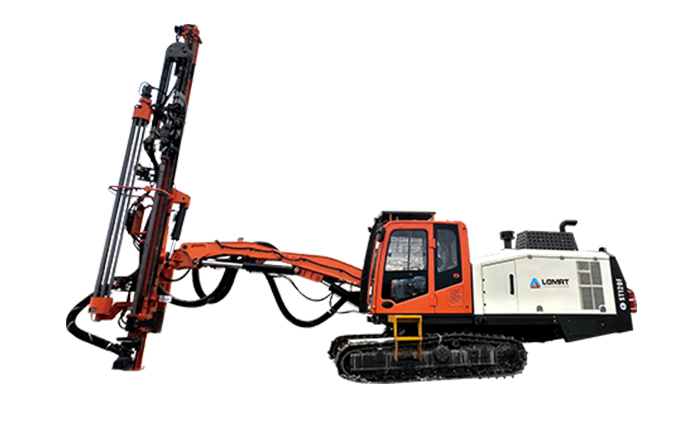
ST120F Surface Top-hammer Drilling Rig
We are dedicated to building a better future with you through meticulous and professional service!