
- Home
- Products +
- About Us +
- Projects
- Application +
- News +
- Contact Us
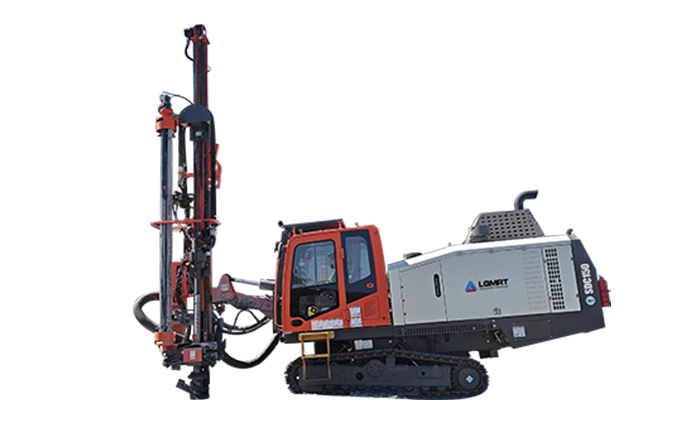
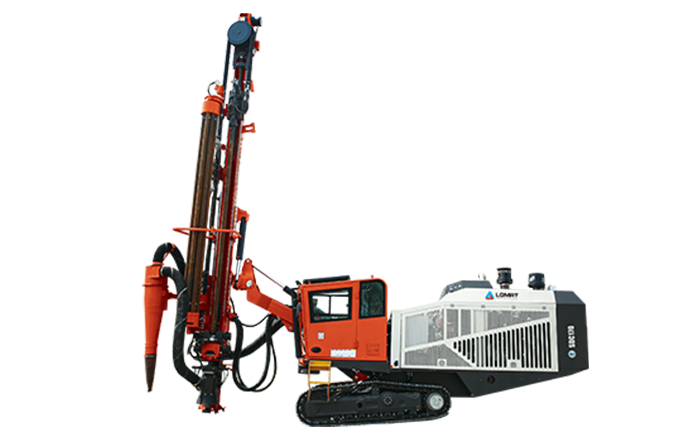
Down-the-Hole Drilling Rigs use a pneumatic hammer near the drill bit to break hard rock at the bottom of the hole. They are used in mining, quarrying, water-well construction, geothermal drilling, and foundation work. For contractors comparing DTH drilling rigs for hard rock, the main questions are simple: Can the rig reach the planned depth? Will it keep the hole straight? How much air, fuel, water, and maintenance will it require? This guide explains the equipment, the drilling process, the difference between DTH and top-hammer systems, and how to choose a reliable machine from brands such as Haichuang Unite.
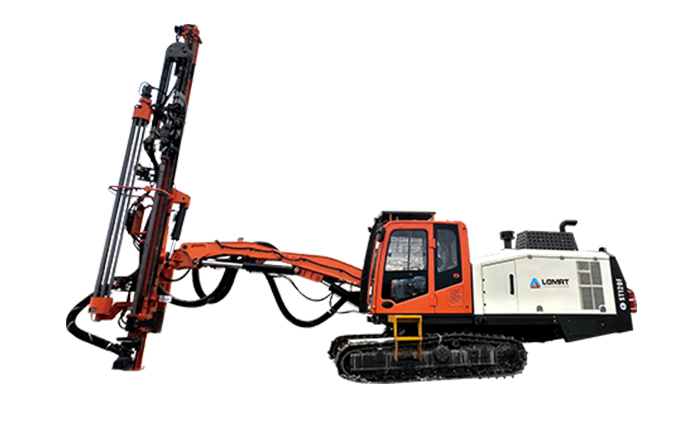
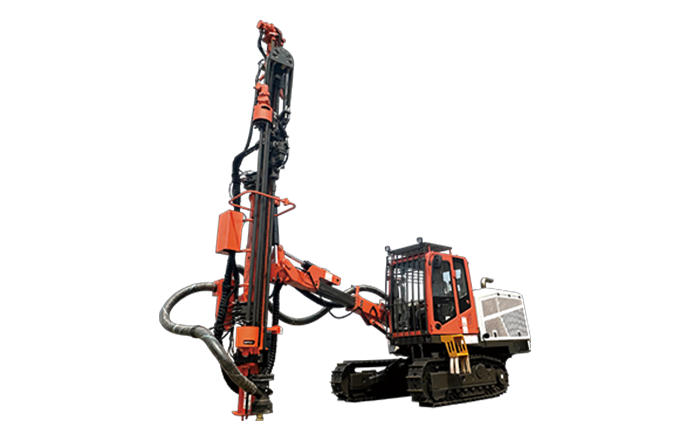
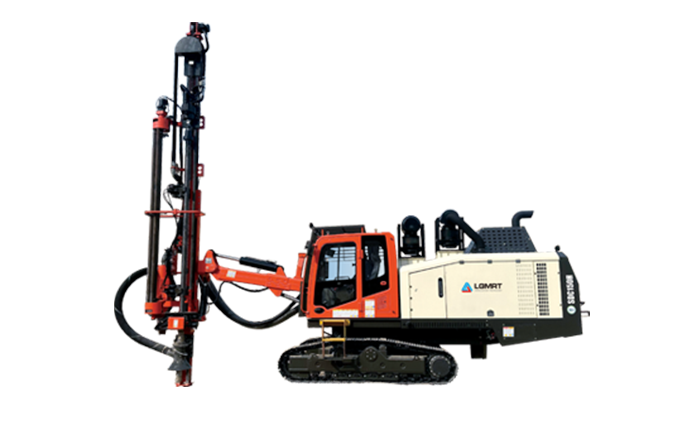
A down-the-hole drilling rig, commonly called a DTH rig, places the drilling hammer directly behind the drill bit inside the borehole. A compressor sends high-pressure air through the drill pipe. The air powers the hammer, drives the piston against the bit, and carries broken rock chips back to the surface through the annular space between the drill string and the hole wall.
This design is different from a top-hammer drill. In a top-hammer system, the percussion unit stays on the surface, and impact energy travels through the drill rods. In a DTH system, the hammer works at the bottom of the hole. This reduces energy loss through long drill strings and generally improves hole control as depth increases.
A DTH drilling cycle has several controlled stages. Correct operation matters because poor air flow, excessive feed force, or incorrect rotation can damage the bit, hammer, and drill pipe.
On a job site, the best performance is not always the highest penetration rate. A stable hole, low deviation, controlled fuel use, and fewer rod or hammer failures may produce a lower total cost per meter. Contractors should record meters drilled, operating hours, fuel use, compressor hours, bit changes, and unplanned downtime.
DTH rigs are widely used for production holes, presplit holes, exploration holes, and blasting patterns. In open-pit mines and quarries, they can drill vertical, inclined, and horizontal holes, depending on the rig design and mast range.
Accurate hole placement helps blasting teams control burden, spacing, fragmentation, back break, and vibration. Hole deviation can change the actual distance between the explosive column and the free face. For this reason, operators should inspect the mast alignment, use suitable drill guides, and maintain consistent feed and rotation settings.
Water-well contractors use DTH equipment in hard formations such as granite, basalt, sandstone, and limestone. Air-lift circulation can help remove cuttings and bring groundwater samples to the surface. In fractured rock, the drilling crew must also manage lost air, unstable walls, and sudden water inflow.
For water well down-the-hole drilling rigs, the compressor, hammer size, casing system, and dust-control method should be selected together. A powerful rig cannot compensate for an undersized compressor or poor borehole cleaning.
Geothermal drilling may require long, straight holes and reliable flushing. DTH equipment can be useful in hard overburden and bedrock sections, especially when the project uses casing advancement or a dual-rotary arrangement.
DTH rigs can drill anchor holes, micropile holes, rock bolts, blasting holes, and holes for retaining structures. Compact crawler-mounted models are useful where access is limited, while larger crawler or truck-mounted rigs are better for high production and deep drilling.
Mining exploration teams may use DTH rigs for reverse-circulation or conventional air drilling, depending on the sampling objective. The drilling method must match the required sample quality. DTH percussion is effective for fast rock penetration, but it does not provide the same core recovery as diamond core drilling.
DTH is not automatically the best choice for every hard-rock project. A top-hammer rig may be more suitable when the holes are relatively short, the required diameter is small, and the work area is narrow or difficult to access.
| Project condition | DTH system | Top-hammer system |
|---|---|---|
| Deep production or water-well holes | Often offers better energy transfer and hole control as depth increases | Impact energy can reduce as drill-string length increases |
| Short surface holes | May require a larger hammer and compressor than necessary | Often efficient for short holes and rapid collaring |
| Small hole diameter | Available, but hammer and compressor matching is important | Can be practical for narrow drilling patterns |
| Very hard or abrasive rock | Strong option when sufficient air volume and flushing are available | Useful when access and hole length favor a compact system |
| Dust-sensitive locations | Needs water injection, foam, or a dust collector | Also requires dust control, but the air circuit is configured differently |
| High hole accuracy at depth | Often preferred because percussion occurs close to the bit | Rod bending and energy loss may become more significant |
Top-hammer drilling can be the better option for bench drilling, construction anchoring, and short holes where portability and fast setup are more valuable than deep-hole performance. DTH drilling is usually considered when the project needs larger diameters, greater depth, improved straightness, or reliable performance in hard formations.
The final choice should be based on rock strength, abrasiveness, hole diameter, hole depth, required deviation, compressor capacity, access restrictions, dust rules, and total cost per meter. A site trial is often more useful than choosing by rig size alone.
Start with the required hole diameter, depth, angle, and daily production target. The hammer, bit, drill pipe, feed system, and compressor must be compatible with these requirements.
For example, a rig designed for shallow 90–115 mm blast holes may not be the right choice for a 200 mm water well. Larger holes require more air volume, greater torque, stronger rods, and a feed system with enough pullback capacity.
Compressed air is the operating power for a pneumatic DTH hammer. Check both pressure and flow. A compressor that reaches the required pressure but cannot provide enough air volume may produce weak impacts, poor flushing, and slow penetration.
Ask the supplier for the hammer’s recommended operating range and compare it with the compressor’s actual output under site conditions. High altitude, heat, hose losses, and filter restriction can reduce the air available at the hammer.
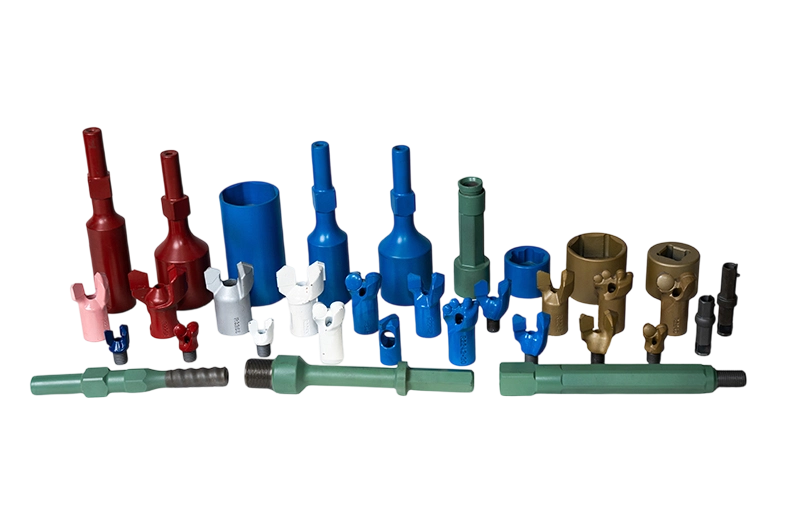
DTH bits are available with different button shapes, face designs, and gauge protection. Button configuration affects penetration, wear resistance, and the ability to maintain hole diameter.
Use a more wear-resistant design in abrasive rock and a design that supports faster cutting in competent, less abrasive rock. Do not continue using a bit after the gauge buttons are excessively worn. An undersized hole can restrict the hammer and reduce flushing efficiency.
Crawler-mounted rigs provide stability on uneven ground. Truck-mounted units can reduce travel time between sites. Compact rigs may be the best option for construction projects, urban work, or narrow benches.
Before delivery, measure the site entrance, working platform, overhead clearance, turning space, and ground bearing capacity. A rig that cannot safely reach the collar location will create more cost than a smaller machine with lower theoretical output.
Dry DTH drilling can create respirable crystalline silica when drilling silica-bearing rock. The U.S. Occupational Safety and Health Administration identifies respirable crystalline silica as a serious workplace hazard and requires exposure-control measures in covered workplaces.
Use wet drilling, foam injection, an effective dust collector, enclosed operator protection, suitable respiratory protection, and air-quality monitoring where required by local regulations. The control method should be selected before production begins, not after dust becomes a problem.
Align the mast carefully and begin with low feed pressure and controlled rotation. The first section of the hole determines how well the drill string remains aligned. Excessive feed pressure during collaring can cause bit binding, rod bending, or an angled hole.
During drilling, operators should monitor penetration rate, air pressure, rotation speed, feed pressure, engine load, water return, and the appearance of cuttings. A sudden change can indicate fractured ground, a blocked air path, a worn bit, or a damaged hammer.
Cuttings should return consistently. If the return weakens, stop advancing and clean the hole. Continuing to drill without proper flushing may bury the bit and increase the risk of a stuck string.
Clean the threads before making each connection. Use the correct thread compound and avoid cross-threading. Tighten connections according to the manufacturer’s instructions. Damaged threads can leak air, reduce hammer performance, and increase the risk of rod separation.
When the planned depth is reached, continue flushing until the return is reasonably clean. Then stop percussion before stopping rotation and air, following the hammer manufacturer’s sequence. Remove the drill string slowly and inspect each rod for cracks, bent sections, thread damage, or abnormal wear.
| Problem | Likely cause | Recommended action |
|---|---|---|
| Low penetration rate | Worn bit, low air volume, incorrect rotation, or weak hammer impact | Check compressor output, inspect the bit, verify operating pressure, and review feed settings |
| Cuttings do not return | Insufficient flushing, blocked annulus, wet clay, or unstable ground | Stop advancing, increase cleaning time, use water or foam where suitable, and consider casing |
| Hole deviation | Poor collaring, bent rods, unstable formation, or excessive feed force | Realign the mast, replace damaged rods, reduce feed pressure, and use a suitable guide system |
| Hammer stops working | Low air pressure, blocked air passage, worn internal parts, or water damage | Check compressor and hoses, clean the air circuit, and service the hammer according to the manual |
| Frequent bit failure | Incorrect bit selection, excessive rotation, overheating, or hard abrasive rock | Review bit design and drilling parameters and keep the bit properly cooled and flushed |
| Rod connection leaks | Damaged threads, incorrect tightening, or poor cleaning | Clean and inspect threads, use approved compound, and replace damaged components |
Preventive maintenance reduces unplanned downtime and protects high-value components. The maintenance interval should follow the machine and hammer manufacturer’s manual, operating hours, and site conditions.
A useful maintenance record includes the date, machine hours, hole meters, component replaced, failure reason, and technician name. These records help identify recurring problems and calculate maintenance cost per meter.
DTH drilling combines compressed air, rotating steel, hydraulic energy, high noise, dust, and unstable ground. Only trained workers should operate or service the equipment.
The Mine Safety and Health Administration, OSHA, and equipment manufacturers publish guidance on machine guarding, silica exposure, lockout procedures, and safe drilling practices. Site rules must be adapted to local law and the actual geology.
The hammer acts close to the bit, which helps deliver percussion energy at the cutting face. This makes DTH drilling suitable for competent formations where rotary-only drilling may be too slow.
Because the impact source is in the hole, the system can reduce the energy loss that occurs when surface impact energy travels through a long drill string. Proper alignment and rod maintenance are still essential, but DTH is often selected for deeper, straighter holes.
The same basic drilling platform can support different hammers, bits, casing systems, and flushing methods. This allows contractors to work in mining, quarrying, water-well, geothermal, and foundation projects.
Operators can compare rig performance using meters per operating hour, meters per bit, fuel per meter, compressor hours per hole, and downtime percentage. These measures are more useful than general claims such as “fast” or “powerful.”
When comparing manufacturers, review more than the purchase price. Request technical data for the complete drilling package, including the rig, compressor, hammer, bit, drill pipe, dust-control system, and service parts.
Haichuang Unite can be included in a supplier comparison when buyers need drilling equipment matched to mining, quarrying, water-well, or construction conditions. The most useful next step is to provide the supplier with rock type, hole diameter, target depth, hole angle, daily meter requirement, compressor details, and site access limits.
They can work in mixed formations, but loose soil, clay, and unstable overburden may require casing, foam, water, or a different drilling method. DTH percussion is most naturally suited to consolidated rock.
The correct compressor depends on the hammer diameter, operating pressure, altitude, hose length, and flushing requirement. Always use the hammer manufacturer’s pressure and air-volume data rather than selecting a compressor by engine size alone.
Yes. Many rigs have adjustable masts for vertical and inclined drilling. The allowable angle depends on mast design, ground stability, machine leveling, and the project’s accuracy requirements.
Service timing depends on drilling hours, rock abrasiveness, water conditions, lubrication, and hammer design. Inspect the hammer when penetration drops, air consumption changes, impact becomes irregular, or internal wear is suspected. Follow the service manual for disassembly and part replacement.
Use the correct bit, maintain compressor filters, keep the hole clean, avoid excessive feed force, inspect threads, and record meters per bit and downtime. A small reduction in rod damage or unplanned hammer repair can lower total cost per meter.
Wet drilling can reduce airborne dust and help stabilize some formations, but it may create sludge and require water management. Dry drilling with dust collection may be practical where water is limited. The choice should follow geology, dust regulations, water availability, and the project’s environmental plan.
Provide the rock type, compressive strength if known, abrasiveness, hole diameter, depth, angle, required daily production, drilling method, site altitude, access restrictions, dust-control requirements, and available power or compressor capacity. This allows the supplier to recommend a complete system instead of only a rig chassis.
Begin with a written hole plan and a site survey. Then match the hammer, bit, drill pipe, compressor, feed system, and dust-control method. Read the operator and maintenance manuals before the first shift, train the crew on pressure isolation and rotating-equipment hazards, and record production data from the first holes.
If you are comparing DTH drilling rig maintenance guide requirements or planning a hard-rock project, contact Haichuang Unite with your hole specifications and site conditions. A technical review or field trial can show whether the proposed rig meets the required meters per hour, hole accuracy, service interval, and total cost per meter before you commit to a larger fleet.
We are dedicated to building a better future with you through meticulous and professional service!