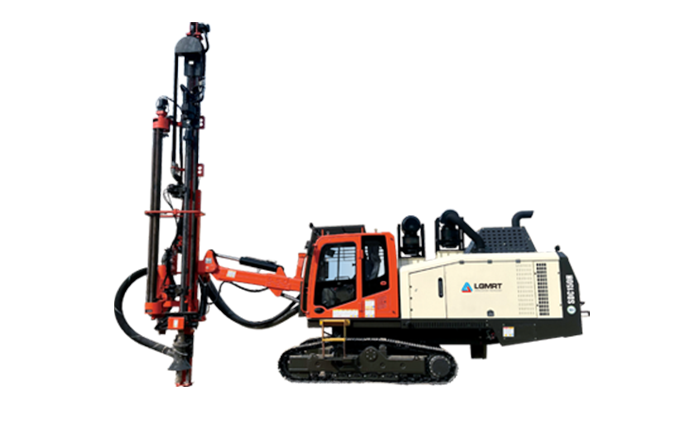
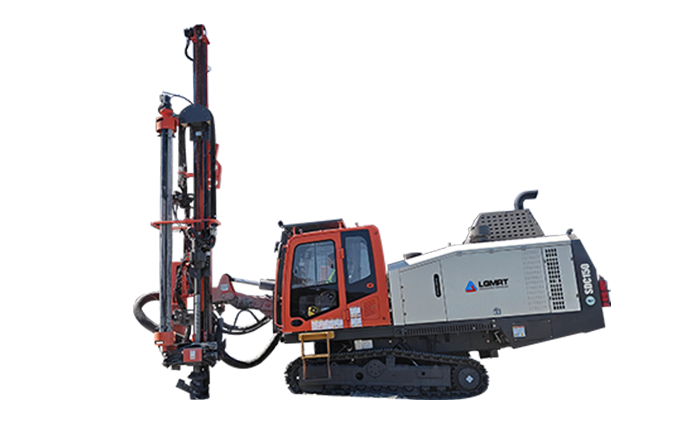
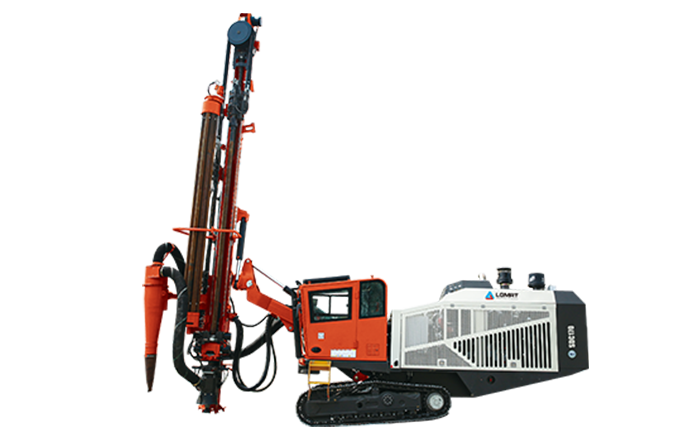
Selecting the right drilling rig for different rock hardness and geological formations is one of the most important decisions in mining, quarrying, water well drilling, geotechnical engineering, and construction projects. The correct rig improves drilling efficiency, reduces tool wear, lowers fuel consumption, and minimizes downtime.
Whether working with soft soil, fractured rock, granite, limestone, basalt, or mixed formations, understanding how drilling rigs interact with ground conditions helps contractors achieve better penetration rates and lower operating costs.
This guide explains how to match drilling rig types to rock hardness and formation conditions while optimizing productivity and project profitability.
Why Rock Hardness Matters in Drilling Operations
Rock hardness directly affects:
- Penetration speed
- Drill bit wear
- Torque requirements
- Air pressure demand
- Fuel consumption
- Drilling accuracy
- Maintenance frequency
Using an unsuitable drilling rig can result in:
- Slow drilling progress
- Excessive bit failure
- Hole deviation
- High operational costs
- Increased downtime
Proper rig selection ensures consistent drilling performance under varying geological conditions.
Understanding Rock Hardness Classifications
Before choosing a drilling rig, contractors should evaluate the formation hardness.
Soft Formations
Examples include:
- Clay
- Sand
- Gravel
- Weathered shale
- Soft sedimentary rock
Characteristics:
- Low compressive strength
- Easy penetration
- Lower torque demand
- Faster drilling speed
Recommended drilling methods:
- Rotary drilling
- Auger drilling
- Mud rotary systems
Medium-Hard Formations
Examples include:
- Limestone
- Sandstone
- Dolomite
- Compact shale
Characteristics:
- Moderate abrasiveness
- Balanced penetration resistance
- Variable fracture conditions
Recommended drilling methods:
- DTH drilling
- Top hammer drilling
- Rotary-percussive systems
Hard Rock Formations
Examples include:
- Granite
- Basalt
- Quartzite
- Marble
Characteristics:
- High compressive strength
- High abrasion resistance
- Slower penetration rates
- Greater impact energy requirement
Recommended drilling methods:
- Down-the-hole (DTH) drilling
- Hydraulic top hammer rigs
- High-pressure air drilling systems
Main Types of Drilling Rigs and Their Applications
Rotary Drilling Rigs
Rotary drilling rigs use rotational force to cut through formations.
Best for:
- Soft to medium formations
- Water well drilling
- Oil and gas exploration
- Large diameter boreholes
Advantages:
- High drilling speed in soft formations
- Suitable for deep holes
- Stable hole quality
- Efficient for unconsolidated ground
Limitations:
- Less efficient in very hard rock
- Higher bit wear in abrasive formations
Common formation conditions:
- Sand
- Clay
- Loose gravel
- Soft limestone
Down-the-Hole (DTH) Drilling Rigs
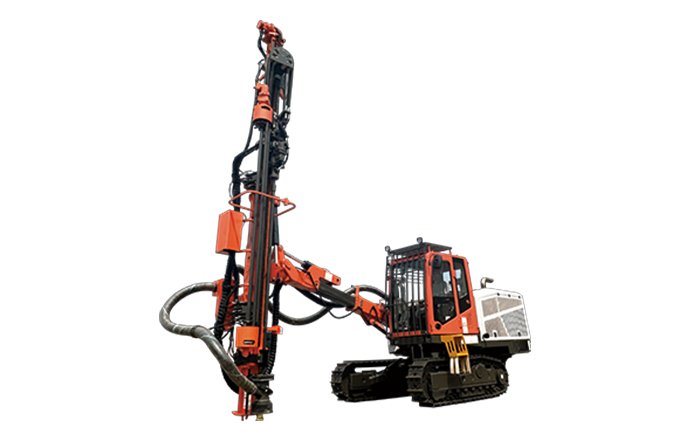
DTH rigs use compressed air to power a hammer directly behind the drill bit.
Best for:
- Hard rock drilling
- Quarry operations
- Mining blast holes
- Geothermal drilling
Advantages:
- Excellent penetration in hard rock
- Straight hole drilling
- Reduced energy loss
- Lower deviation rates
Limitations:
- Requires high air compressor capacity
- Higher initial equipment investment
Common formation conditions:
- Granite
- Basalt
- Quartzite
- Dense limestone
Top Hammer Drilling Rigs
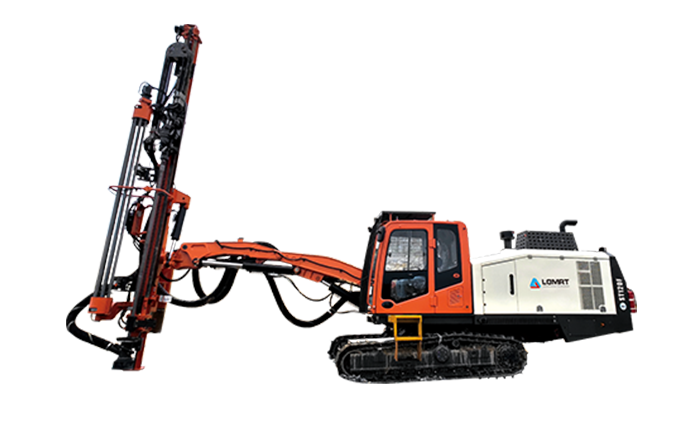
Top hammer rigs transfer impact energy from the drill head through drill rods to the bit.
Best for:
- Medium to hard rock
- Tunneling
- Bench drilling
- Construction blasting
Advantages:
- Fast drilling in fractured rock
- High mobility
- Lower operational cost for shallow holes
- Excellent maneuverability
Limitations:
- Energy loss over deep holes
- Rod wear increases with depth
Common formation conditions:
- Fractured granite
- Medium-hard limestone
- Shale formations
Auger Drilling Rigs
Auger rigs use helical screw blades to remove soil during drilling.
Best for:
- Soft soil
- Environmental sampling
- Geotechnical investigations
- Foundation drilling
Advantages:
- Simple operation
- Low operating cost
- Fast drilling in unconsolidated formations
Limitations:
- Ineffective in hard rock
- Limited depth capability
Common formation conditions:
- Clay
- Sand
- Loose soil
- Silt
How Formation Conditions Influence Drilling Rig Selection
Rock hardness alone is not enough. Contractors must also evaluate geological formation conditions.
Fractured Rock Formations
Fractured formations can cause:
- Hole collapse
- Rod jamming
- Air leakage
- Bit instability
Recommended rigs:
- Top hammer rigs
- DTH rigs with stabilizers
- Dual rotary systems
Recommended features:
- High flushing efficiency
- Adjustable rotation speed
- Strong hole-cleaning capability
Abrasive Rock Conditions
Highly abrasive formations rapidly wear drill bits and rods.
Recommended rigs:
- DTH rigs with carbide bits
- Heavy-duty hydraulic systems
- High-torque rotary rigs
Important considerations:
- Wear-resistant drill tools
- Efficient cooling systems
- Strong dust collection capability
Water-Bearing Formations
Groundwater can affect drilling stability and debris removal.
Recommended rigs:
- Mud rotary drilling rigs
- Reverse circulation drilling systems
- Casing-equipped rigs
Key benefits:
- Better borehole stabilization
- Improved cuttings removal
- Reduced collapse risk
Mixed Geological Formations
Many projects encounter alternating soft and hard layers.
Recommended rigs:
- Multi-function drilling rigs
- Combination rotary-DTH systems
- Hydraulic adaptable rigs
Advantages:
- Flexible operation
- Reduced equipment switching
- Better productivity across variable ground
Key Factors to Consider When Selecting a Drilling Rig
Hole Diameter Requirements
Different rigs support different borehole sizes.
Small diameter holes:
- Top hammer rigs
- Portable DTH rigs
Large diameter holes:
- Rotary rigs
- Reverse circulation rigs
Drilling Depth
Depth significantly affects rig selection.
Shallow drilling:
- Top hammer rigs
- Auger systems
Deep drilling:
- Rotary rigs
- DTH systems
- High-capacity hydraulic rigs
Mobility and Site Access
Project terrain impacts rig transportation and operation.
Rough terrain applications:
- Crawler-mounted rigs
- Compact hydraulic rigs
Urban construction sites:
- Low-noise electric rigs
- Compact footprint equipment
Air Compressor Capacity
DTH drilling heavily depends on air supply.
Important considerations:
- Air pressure
- Air volume
- Compressor efficiency
Insufficient air capacity reduces penetration performance and hammer efficiency.
Common Mistakes When Matching Drilling Rigs
Choosing Based Only on Initial Cost
Lower-priced rigs may lead to:
- High fuel consumption
- Frequent maintenance
- Low drilling efficiency
- Increased downtime
Lifecycle cost is more important than purchase price alone.
Ignoring Geological Surveys
Without accurate formation data, operators may select unsuitable equipment.
Professional geological analysis improves drilling success rates and reduces unexpected delays.
Using Undersized Compressors for DTH Drilling
Low air pressure causes:
- Poor hammer performance
- Reduced penetration speed
- Increased bit wear
Always match compressor specifications to drilling depth and hole size.
Latest Trends in Modern Drilling Rig Technology
Intelligent Drilling Systems
Modern rigs increasingly feature:
- GPS positioning
- Automated drilling control
- Real-time monitoring
- Predictive maintenance systems
These technologies improve drilling precision and reduce operator error.
Energy-Efficient Hydraulic Systems
Advanced hydraulic systems reduce:
- Fuel consumption
- Heat generation
- Maintenance requirements
Energy efficiency is becoming a major purchasing factor for contractors worldwide.
Remote-Controlled Drilling Rigs
Remote operation enhances safety in:
- Mining environments
- Hazardous terrain
- High-risk blasting areas
Automation also improves operational consistency.
How the Right Drilling Rig Improves ROI
Correct drilling rig selection provides measurable benefits:
- Faster project completion
- Lower consumable costs
- Reduced fuel usage
- Improved drilling accuracy
- Longer equipment lifespan
- Better operator safety
For mining companies, contractors, and drilling service providers, choosing the right rig directly impacts profitability and operational efficiency.
Conclusion
Matching drilling rig types to rock hardness and formation conditions is essential for achieving high drilling efficiency and controlling project costs. Soft formations often require rotary or auger rigs, while hard rock applications benefit from DTH or top hammer drilling systems.
Beyond rock hardness, factors such as groundwater, abrasiveness, fracture conditions, drilling depth, and site accessibility must also be carefully evaluated. Modern hydraulic drilling rigs with intelligent control systems offer greater flexibility, improved productivity, and lower long-term operating costs.
By understanding geological conditions and selecting the proper drilling equipment, contractors can maximize drilling performance, extend tool life, and improve overall project success.