
- Home
- Products +
- About Us +
- Projects
- Application +
- News +
- Contact Us
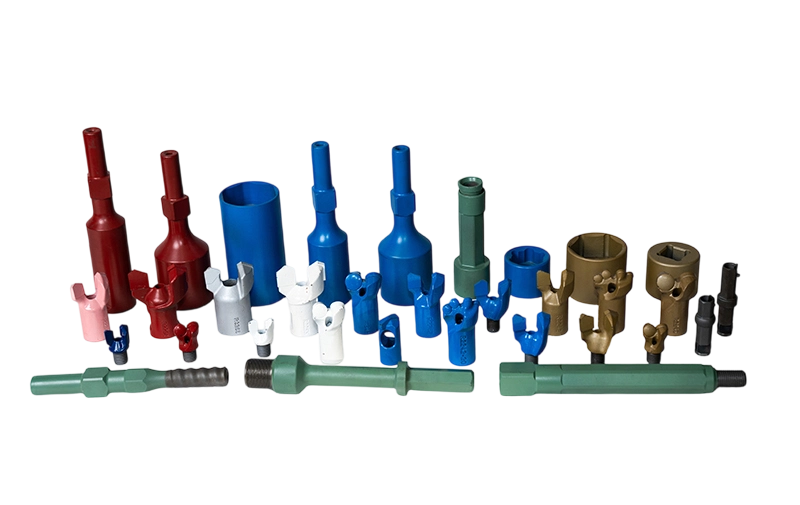
Choosing the right Top-Hammer Drilling Tools is essential for achieving stable penetration, good hole quality, longer tool life, and lower drilling cost per meter.
In top-hammer drilling, the drill bit is only one part of the system. Impact energy generated by the rock drill must pass through the shank adapter, coupling sleeves, drill rods, and finally the drill bit. If one component is incorrectly matched, energy transmission becomes less efficient and tool wear can increase rapidly.
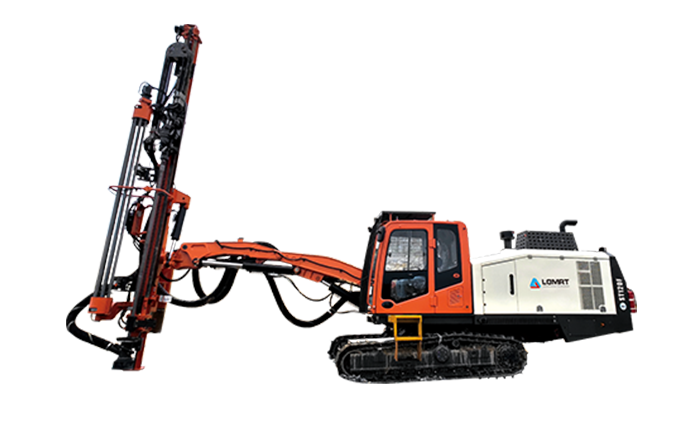
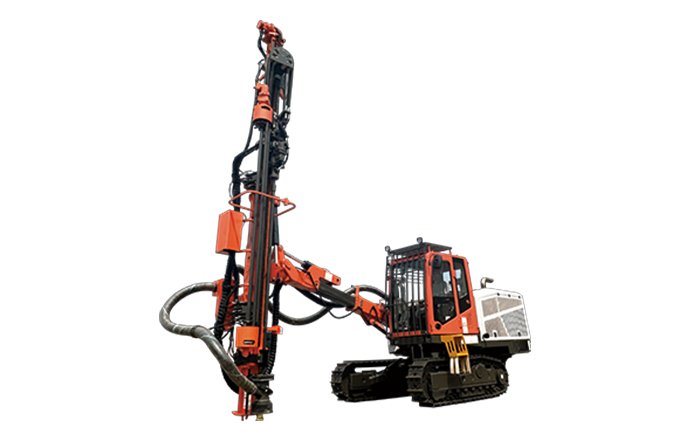
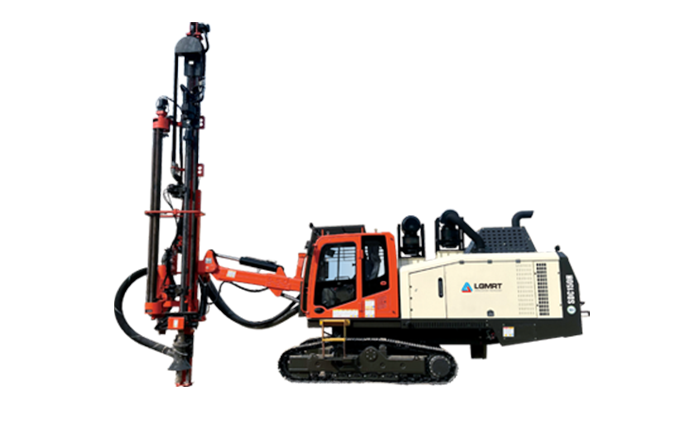
For quarrying, mining, tunneling, construction, and bench drilling applications, the correct drilling tool combination should be selected according to the drilling rig, rock drill, thread system, hole diameter, hole depth, rock hardness, and required productivity.
This guide explains how to choose Top-Hammer Drilling Tools as a complete drilling system rather than selecting each component separately.
Top-Hammer Drilling Tools are the consumable and connecting components used between the rock drill and the rock face in a top-hammer percussion drilling system.
A typical drilling string includes:
Shank adapter
Coupling sleeve
Extension drill rod or speed rod
Threaded button bit
The impact piston inside the rock drill strikes the shank adapter. The impact wave then travels through the drill string to the bit, where carbide buttons break the rock.
At the same time, rotation allows the buttons to continuously contact fresh rock, while compressed air or water removes drill cuttings from the hole.
The efficiency of this process depends heavily on correct component matching.
The first step when selecting Top-Hammer Drilling Tools is to identify the drilling equipment.
You should confirm:
Drilling rig manufacturer
Drilling rig model
Rock drill manufacturer
Rock drill model
Rock drill power
Recommended drill steel size
Recommended thread system
Different rock drills are designed for different impact energy levels and drill string sizes.
A small rock drill operating with oversized drilling tools may deliver insufficient energy to the bit.
A high-powered rock drill operating with an undersized drill string may cause excessive stress, thread damage, premature fatigue, or carbide failure.
Therefore, drilling tool selection should always start with the machine rather than the bit.
Thread type is one of the most important specifications in top-hammer drilling.
Common thread systems include:
R25
R28
R32
R35
R38
T38
T45
T51
GT60
Other application-specific systems
The thread system determines which:
Shank adapter
Coupling sleeve
Drill rod
Threaded button bit
can be connected together.
R-thread systems are commonly used in lighter and medium-duty drilling applications.
They may be suitable for:
Small tunnel holes
Construction drilling
Small quarry drilling
Anchor holes
Light bench drilling
Typical examples include R25, R28, R32, and R38.
T-thread systems are commonly used for heavier top-hammer drilling.
They can provide strong thread engagement and are widely used for:
Quarry bench drilling
Surface mining
Underground mining
Medium and larger blast holes
Typical examples include T38, T45, and T51.
Incorrect threads can result in:
Poor connection
Energy loss
Thread deformation
Difficult uncoupling
Premature rod failure
Higher drilling vibration
Always confirm the exact thread specification before purchasing replacement drilling tools.
Bit diameter has a major influence on drilling performance.
It affects:
Penetration rate
Required drilling energy
Hole cleaning
Drill rod size
Hole straightness
Bit wear
Blasting design
Cost per drilled meter
A larger bit removes more rock per meter and generally requires more drilling energy and flushing capacity.
A smaller bit can often achieve faster penetration with the same rock drill, but it may not meet the required hole size or blasting pattern.
The correct diameter should match:
Required hole size
Rock drill power
Drill rod diameter
Hole depth
Rock condition
Application
Do not simply choose the largest bit that can physically connect to the drill rod.
The Threaded Button Bit is the component that directly breaks the rock.
The correct bit should be selected according to:
Hole diameter
Thread type
Rock hardness
Rock abrasiveness
Rock fracture characteristics
Flushing method
Required penetration rate
Important design factors include:
Button shape
Button diameter
Number of buttons
Face design
Flushing hole arrangement
Spherical carbide buttons provide a relatively large contact area and good resistance to impact and wear.
They are often suitable for:
Hard rock
Abrasive rock
Demanding drilling conditions
Applications prioritizing tool life
Advantages may include:
Good wear resistance
Strong impact resistance
Stable drilling performance
Ballistic buttons have a more pointed profile.
They can provide more aggressive penetration in suitable formations.
They are often used in:
Soft to medium-hard rock
Less abrasive formations
Applications where penetration rate is a priority
However, they may wear faster in highly abrasive or extremely hard rock.
The bit face influences penetration, hole guidance, and cuttings removal.
Common face designs include:
Flat face
Drop-center face
Convex face
Flat face bits provide relatively even distribution of carbide buttons.
They are suitable for many general-purpose drilling applications.
Potential benefits include:
Stable drilling
Balanced wear
Good all-around performance
Drop-center bits can provide strong centering characteristics.
They may help improve:
Hole collaring
Directional stability
Hole straightness
They are commonly selected where drilling accuracy is particularly important.
Convex designs can concentrate rock-breaking action toward the center and outer cutting area.
They can provide good penetration in suitable rock conditions.
There is no single face design that is best for every formation.
Drill rods transfer impact energy and rotation from the rock drill to the bit.
The rod must provide sufficient:
Strength
Rigidity
Fatigue resistance
Energy transmission efficiency
Rod selection depends on:
Thread system
Hole diameter
Hole depth
Rock drill output
Drilling application
An undersized drill rod may experience:
Excessive vibration
Increased bending
Poor hole straightness
Higher fatigue stress
Shorter service life
An oversized rod can:
Add unnecessary weight
Reduce flushing clearance
Increase drilling resistance
Require more powerful equipment
The correct rod should provide sufficient stiffness while maintaining adequate annular space for cuttings removal.
Different rod designs can be used depending on the drilling application.
Extension rods are connected using coupling sleeves.
They are commonly used when deeper holes require multiple rods.
Advantages include:
Flexible drilling depth
Easy replacement of individual components
Common use in bench and production drilling
Speed rods generally have an integrated male-female thread design, reducing the number of separate couplings required.
Potential advantages include:
Faster rod handling
Fewer connections
Reduced coupling requirements
Shorter drilling cycle time
The correct choice depends on drilling depth, rod-handling system, and operational preference.
Coupling sleeves connect threaded drill rods and help transmit impact and rotation through the drill string.
The coupling should match:
Thread system
Drill rod size
Drilling energy
Application
A high-quality coupling should provide:
Reliable thread engagement
Stable energy transmission
Resistance to repeated impact
Consistent connection
Suitable wear life
Worn couplings should not be ignored.
A severely worn coupling can damage otherwise good drill rods and increase vibration across the drilling system.
The shank adapter is the first drilling tool to receive impact energy from the rock drill piston.
It must match the rock drill precisely.
Selection depends on:
Rock drill manufacturer
Rock drill model
Thread system
Flushing configuration
Shank length and geometry
An incorrect shank adapter can cause:
Poor piston contact
Energy loss
Excessive wear
Seal problems
Drill string vibration
Premature failure
When requesting a shank adapter, always provide the exact rock drill model.
Rock hardness is one of the most important selection factors.
In softer formations, penetration can be relatively easy.
Selection may prioritize:
Fast penetration
Aggressive button geometry
Efficient flushing
Ballistic buttons may be suitable in some applications.
Balanced performance becomes more important.
You may need to optimize:
Button shape
Bit face
Impact energy
Rotation speed
Feed pressure
Hard formations require stronger impact resistance.
Selection often favors:
Durable carbide grades
Spherical buttons
Strong bit bodies
Correct impact energy
Using overly aggressive button designs in hard rock may result in chipping or premature carbide failure.
Rock hardness and abrasiveness are different characteristics.
A formation may not be extremely hard but can still wear drilling tools rapidly.
Abrasive rock can cause:
Gauge button wear
Bit body erosion
Rod wear
Thread wear
In highly abrasive geology, prioritize:
Wear-resistant carbide
Strong gauge protection
Durable bit body design
Correct flushing
The goal should be total meters drilled rather than maximum short-term penetration.
Hole depth affects drill string stability and energy transfer.
As drilling depth increases:
More rod connections may be required
Energy loss increases
Hole deviation may increase
Flushing becomes more difficult
Drill string vibration may increase
For deeper top-hammer holes, consider:
Larger or stiffer rods
Strong thread connections
Efficient couplings
Adequate flushing capacity
Suitable bit diameter
A tool combination that works well for shallow holes may not perform equally well at greater depths.
Efficient flushing is essential for removing rock cuttings.
Top-hammer drilling commonly uses:
Compressed air
Water flushing
Air-water combinations depending on equipment
If flushing is insufficient, cuttings remain at the hole bottom and are repeatedly crushed.
This can result in:
Reduced penetration
Higher bit temperature
Faster carbide wear
Hole blockage
Increased rod jamming
Higher drilling cost
Bit flushing holes and the annular space around the drill rod must provide enough flow for efficient cuttings removal.
Hole accuracy is particularly important in:
Quarry blasting
Tunnel development
Controlled blasting
Underground mining
Foundation construction
Hole deviation can be influenced by:
Drill rod stiffness
Bit diameter
Bit face design
Rock joints
Feed pressure
Operator alignment
Hole depth
If hole straightness is a major requirement, tool selection should prioritize drill string stability rather than only penetration rate.
Different drilling applications have different priorities.
Important factors include:
Penetration rate
Hole straightness
Bit life
Rod life
Blasting hole consistency
Cost per meter
Threaded button bits with durable gauge protection and suitable flushing are commonly used.
Underground drilling may prioritize:
Compact drilling systems
Fast hole collaring
Accurate hole direction
Reliable thread connections
Short drilling cycles
Tunnel face drilling requires good hole positioning and consistent drilling patterns.
Tool selection should support:
Accurate collaring
Controlled hole deviation
Fast penetration
Reliable flushing
Consistent hole depth
Surface production drilling often emphasizes:
High drilling output
Long consumable life
Equipment utilization
Low cost per meter
A common purchasing mistake is choosing each component independently.
For example:
The bit is selected based on price
The rod is selected based on availability
The coupling is selected from another supplier
The shank adapter is chosen separately
Even if every component can physically connect, the complete system may not perform efficiently.
Top-hammer drilling tools should be treated as an integrated energy-transfer system.
Correct matching helps provide:
Better penetration
Lower vibration
More consistent wear
Longer tool life
Improved hole quality
The drill string diameter must be appropriate for the available rock drill energy.
If the tool system is too light for the rock drill:
Stress concentration increases
Threads may wear rapidly
Rods may fatigue
Couplings may loosen
If the system is too heavy:
Energy transmission efficiency can decrease
Penetration may become slower
The rock drill may not provide enough power
Tool size should therefore match both hole diameter and rock drill output.
Thread wear is a common operating cost in top-hammer drilling.
To reduce thread damage:
Use compatible components
Keep threads clean
Apply suitable thread lubrication
Avoid running severely worn couplings
Use correct feed pressure
Avoid excessive vibration
Inspect rods regularly
A worn coupling can damage multiple rods, so early replacement may reduce total tool cost.
Bit life depends on both product quality and operating practice.
To improve bit life:
Too little feed can cause the bit to bounce.
Too much feed can overload carbide buttons and threads.
The bit should rotate enough for the carbide buttons to strike fresh rock between impacts.
Good flushing removes cuttings and reduces regrinding.
Excessively flat carbide buttons reduce penetration and increase drilling stress.
Timely regrinding can help restore the correct button profile.
Continuing to use badly worn bits can damage:
Bit body
Drill rod
Couplings
Shank adapter
The lowest-priced drilling tool is not necessarily the most economical.
A better purchasing metric is:
Total drilling tool cost per meter drilled.
This should consider:
Bit price
Rod price
Coupling cost
Shank adapter cost
Tool life
Penetration rate
Downtime
Bit change frequency
Fuel or energy consumption
For example, a more durable bit may cost more initially but deliver significantly more drilled meters.
A higher-quality coupling may also protect more expensive drill rods from premature thread damage.
Operators should investigate tool compatibility if they experience:
Rapid thread wear
Frequent rod breakage
Excessive vibration
Slow penetration
Broken carbide buttons
Severe gauge wear
Poor hole straightness
Frequent coupling damage
Difficulty uncoupling rods
High cost per drilled meter
These issues are not always caused by poor tool quality.
They may indicate that the tool combination is incorrectly matched to the drilling equipment or geology.
Before placing an order, confirm the following information:
| Selection Item | Information Required |
|---|---|
| Drilling Rig | Manufacturer and model |
| Rock Drill | Manufacturer and model |
| Thread System | R32, R38, T38, T45, T51, etc. |
| Hole Diameter | Required finished hole size |
| Hole Depth | Typical and maximum depth |
| Rock Type | Granite, limestone, basalt, ore, etc. |
| Rock Hardness | Soft, medium-hard, hard |
| Abrasiveness | Low, medium, high |
| Drill Rod | Diameter and length |
| Bit Face | Flat, drop-center, convex |
| Button Shape | Spherical or ballistic |
| Flushing | Air or water |
| Application | Mining, quarrying, tunneling, construction |
Providing this information makes it easier to recommend a compatible tool combination.
Consider a quarry using a top-hammer drill rig for production blast holes.
The operator should first identify:
Rock drill model
Required hole diameter
Bench height
Rock hardness
Typical hole depth
Suppose the quarry drills hard, abrasive granite.
The selection may prioritize:
Stronger thread system
Wear-resistant carbide
Spherical button bits
Durable gauge buttons
Sufficiently rigid drill rods
High-quality couplings
In a softer limestone quarry, a more aggressive button profile may produce better penetration.
The same drilling tool configuration should not automatically be used for both sites.
For tunnel face drilling, the priorities may be different.
The operator may require:
Smaller hole diameter
Accurate hole direction
Fast collaring
Stable drill rods
Good flushing
A suitable drop-center threaded button bit may help improve directional stability.
Rod length should also be matched to the required drilling round.
In tunneling, drilling accuracy can be more important than maximizing bit life alone because poor hole positioning can increase overbreak and excavation cost.
A tool system may need to be changed when:
Geology changes
Hole diameter changes
Hole depth increases
A new drilling rig is introduced
Penetration becomes consistently low
Tool wear increases abnormally
Hole deviation becomes unacceptable
Drilling cost rises significantly
Before changing the complete system, evaluate wear patterns and operating parameters to identify the actual cause.
A typical system includes a shank adapter, coupling sleeve, drill rod, and threaded button bit.
Together, these components transmit impact and rotation from the rock drill to the rock.
Check the existing drill rod, coupling, or bit specification.
You can also provide the drilling rig and rock drill model to identify a compatible thread system.
Neither is universally better.
R threads are commonly used in lighter drilling applications, while T threads are often selected for higher-energy and heavier drilling.
The correct system depends on your equipment and drilling requirements.
Spherical buttons generally provide strong wear and impact resistance and are commonly used in hard or abrasive rock.
Ballistic buttons can offer faster penetration in suitable softer or medium-hard formations.
Not necessarily.
A larger bit requires more drilling energy and flushing capacity.
It may support larger blast holes, but penetration may decrease if the drilling system is not powerful enough.
Check:
Rod size
Thread wear
Coupling condition
Feed pressure
Drilling alignment
Rock drill energy
Frequent breakage may indicate incorrect tool matching or operating parameters.
Buttons should generally be inspected before they become excessively flat.
Regrinding at the appropriate time can help maintain penetration and reduce drilling stress.
The correct interval depends on rock abrasiveness and drilling conditions.
Possible causes include:
Poor thread compatibility
Insufficient lubrication
Excessive vibration
Worn drill rods
Incorrect feed pressure
High impact energy
Inspect the complete drilling string rather than replacing the coupling alone.
For accurate selection, provide:
Drill rig model
Rock drill model
Thread type
Hole diameter
Hole depth
Rock condition
Current drill rod and bit specifications
Main drilling application
The correct Top-Hammer Drilling Tools should not be selected based on individual component price alone.
A well-matched drilling system requires the correct combination of:
Shank adapter
Coupling sleeve
Drill rod
Threaded button bit
Thread system
Hole diameter
Carbide design
These components must also match the rock drill, drilling energy, geology, hole depth, and flushing conditions.
When the entire system is correctly matched, operators can achieve:
Faster and more stable penetration
Better hole straightness
Reduced thread wear
Longer tool life
Fewer drilling interruptions
Lower drilling cost per meter
For quarrying, mining, tunneling, or construction applications, provide your drilling rig model, rock drill model, thread type, hole diameter, hole depth, and rock condition before selecting Top-Hammer Drilling Tools.
This makes it possible to choose a drilling tool combination that delivers the best balance between drilling efficiency, durability, and total operating cost.

Previous:
None
We are dedicated to building a better future with you through meticulous and professional service!