
- Home
- Products +
- About Us +
- Projects
- Application +
- News +
- Contact Us
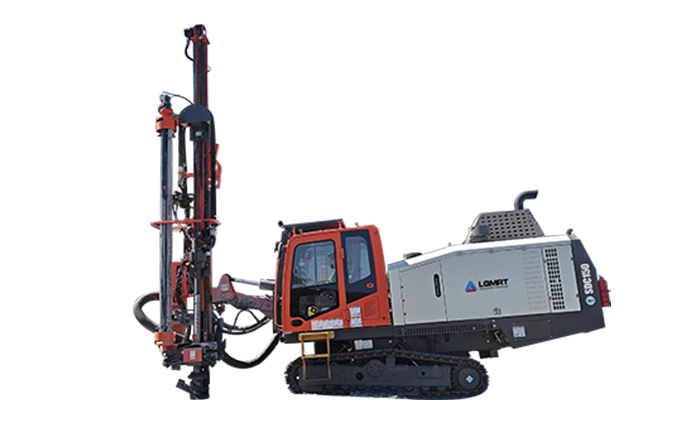
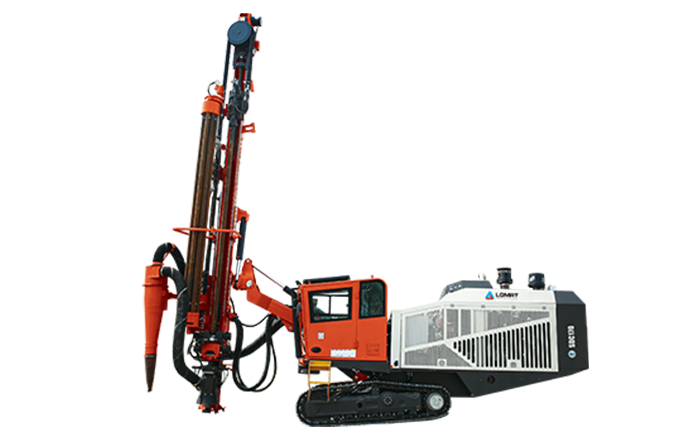
Down-the-Hole Drilling Rigs use a pneumatic hammer placed at the bottom of the drill hole to break rock. They are designed for accurate drilling in hard ground, including granite, basalt, limestone, and reinforced construction sites. Buyers comparing down-the-hole drilling rigs for hard rock should check more than drilling depth. Airflow, working pressure, hole diameter, ground conditions, rod size, and service support all affect results. This guide explains how a DTH drilling rig with air compressor works, where it is used, and how to choose a safe and productive system.

A down-the-hole, or DTH, drilling rig is a machine that advances a borehole by sending compressed air through the drill string to a hammer located directly behind the drill bit. The hammer strikes the bit against the rock. The same compressed air carries broken rock chips back to the surface through the gap between the drill rod and the borehole wall.
This design differs from a top-hammer drill. In a top-hammer system, the impact mechanism stays near the surface and transfers energy through the drill rods. In a DTH system, the impact energy is delivered at the bottom of the hole. As a result, DTH drilling can provide good hole straightness and stable impact performance, especially in hard and abrasive formations.
Rock drilling becomes difficult when the ground is dense, fractured, or highly abrasive. A drill may lose penetration speed, produce crooked holes, or suffer rapid bit wear if the machine is not matched to the formation. DTH equipment addresses these problems by placing the hammer close to the cutting face.
The main operating benefits include:
Actual production depends on rock strength, jointing, water inflow, bit design, hole diameter, operator skill, and compressor performance. A larger rig is not automatically more productive if the air system cannot maintain the required pressure and flow.
The air compressor is one of the most important parts of a DTH drilling system. The rig may have enough feed force and rotation torque, but the hammer will not work correctly if the compressor delivers insufficient air volume or pressure.
Many surface DTH drilling systems operate within an approximate pressure range of 17 to 35 bar, or about 250 to 510 psi. The correct value depends on the hammer model, bit diameter, formation, hole depth, and flushing method. Some high-pressure systems use higher operating pressures, while small water-well or construction hammers may require less.
Do not select a compressor from pressure alone. A compressor rated at 30 bar may still fail to run a hammer properly if its airflow falls below the required value at that pressure. Always compare the hammer manufacturer’s recommended:
Free air delivery, or FAD, describes the usable air supplied by the compressor under stated test conditions. It is more useful for DTH selection than the compressor’s theoretical displacement.
As a general planning guide, small and medium DTH hammers may require approximately 10 to 25 m³/min of air, while larger hammers and larger-diameter holes can require 20 to 40 m³/min or more. These figures are planning ranges, not a substitute for the hammer data sheet. A 6-inch hammer, for example, may require a different airflow from another 6-inch hammer because valve design, operating pressure, and bit face configuration differ.
A practical selection method is:
The gauge at the compressor outlet may show the correct pressure while the hammer receives less pressure. Common causes include:
Measure pressure as close to the drill rig and hammer air circuit as possible. If the hammer sounds weak, penetration slows, or cuttings return poorly, check both pressure and airflow before increasing feed force.
Assume a hammer manufacturer specifies:
The basic target airflow is:
18 m³/min × 1.15 = 20.7 m³/min
The selected compressor should therefore deliver at least about 20.7 m³/min at 24 bar, after considering altitude, hose length, temperature, and leakage. The final choice should be confirmed with the compressor and hammer suppliers.
A typical DTH drilling cycle has six stages:
Good operation requires a balance between three controls: rotation speed, feed force, and impact pressure. Excessive feed force can overload the hammer and rods. Too much rotation can accelerate bit wear. Too little rotation may cause the bit to strike the same area repeatedly.
DTH rigs are used for production blast holes, pre-split holes, dewatering holes, and exploration drilling. Quarry operators often select DTH systems when hole accuracy and consistent depth are important for controlled blasting.
Water-well contractors use DTH drilling in consolidated formations such as sandstone, limestone, and hard volcanic rock. The air-flush method can provide fast cuttings removal, although groundwater, unstable formations, and foam requirements must be assessed before work begins.
Geothermal boreholes may require long, straight holes and dependable drilling through mixed formations. The equipment must be checked for temperature, depth, rod handling, and compressor capacity.
DTH drilling equipment is used for rock anchors, micropiles, slope stabilization, soil nails, and foundation holes. Compact crawler rigs are useful where working space is limited and the surface is uneven.
Road construction, tunnel approaches, dams, and site preparation may require blast holes at controlled angles and depths. Operators should follow local blasting laws, exclusion-zone rules, and licensed handling procedures.
Exploration teams use DTH systems for rapid drilling in hard formations. The method is suitable for some sample and investigation programs, but a different drilling method may be better when high-quality core recovery is required.
Record rock hardness, abrasiveness, fracture frequency, water inflow, overburden depth, and expected hole deviation. A rig for fractured limestone may need different tooling from a rig used in massive granite.
Hole diameter determines hammer size, bit cost, air consumption, and compressor capacity. Depth affects rod handling, flushing resistance, mast length, and the required pullback force.
The hammer, compressor, hoses, filters, and air receiver must be treated as one system. Compare pressure and FAD at real operating conditions. A compressor with a high maximum rating is not suitable if its continuous output is too low.
Important specifications include:
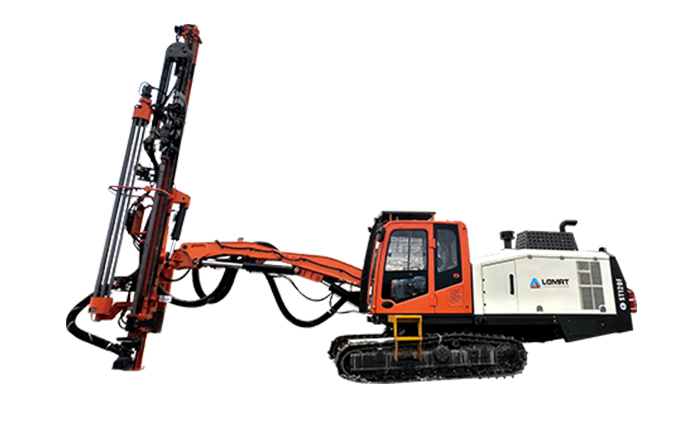
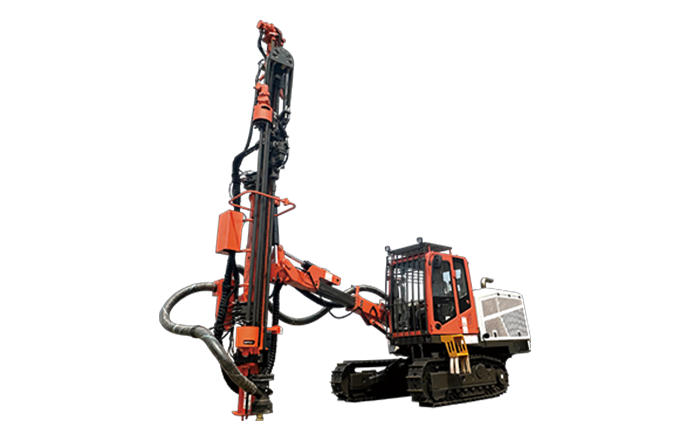
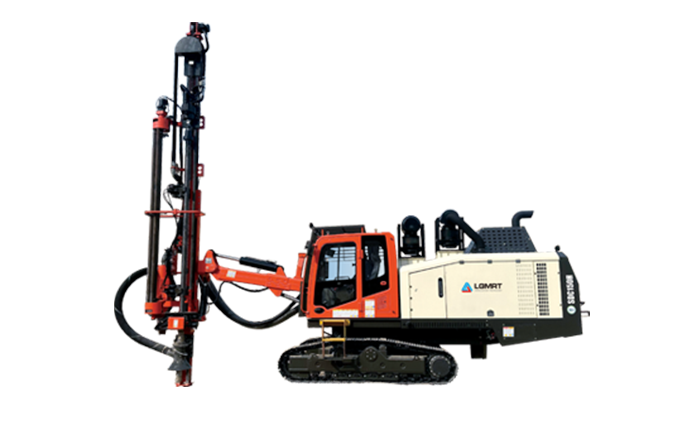
Crawler rigs provide traction on rough ground. Truck-mounted rigs can reduce transport time. Trailer-mounted and skid-mounted models may fit smaller projects. Check total machine width, weight, turning radius, and transport regulations before purchase.
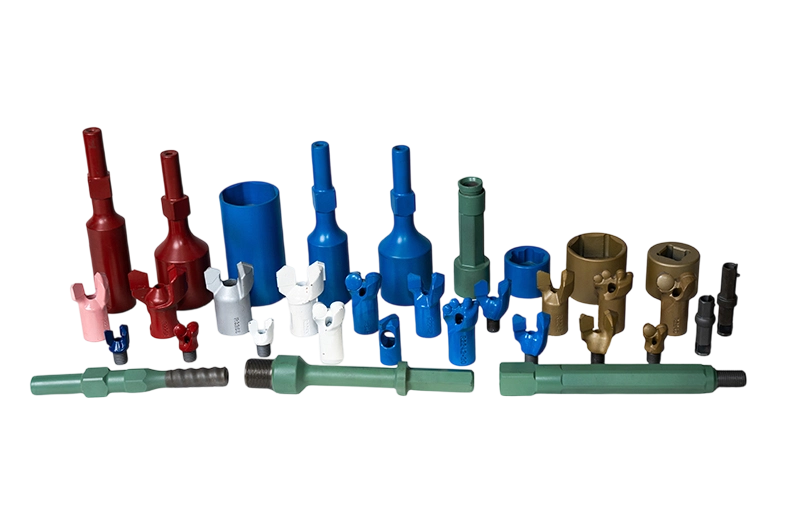
DTH bits, hammers, seals, drill rods, and air filters are wear parts. Ask how quickly replacements can be supplied and whether the supplier provides pressure testing, operator training, maintenance instructions, and troubleshooting support.
The purchase price is only one part of DTH drilling cost. A useful cost review includes:
Track meters drilled per shift, average penetration rate, bit life in meters, fuel used per drilled meter, and non-drilling time. These measurements are more useful than general claims such as “high efficiency.” For example, if a bit drills 420 meters before replacement and costs $1,260, its bit cost is $3 per meter, excluding labor and downtime.
Compressed air can store a large amount of energy. Operators should never disconnect a hose, rod, or fitting before the system is fully isolated and depressurized.
Noise and silica dust require special attention. The U.S. Occupational Safety and Health Administration identifies respirable crystalline silica as a serious workplace hazard in construction and other industries. Employers should follow applicable exposure limits, engineering controls, respiratory programs, and local regulations. See the for workplace requirements.
| Problem | Likely Cause | Recommended Check |
|---|---|---|
| Low penetration rate | Insufficient air, worn bit, low impact pressure, or excessive feed force | Measure pressure at the rig, inspect the bit, and compare operating settings with the hammer manual |
| Cuttings do not return | Low airflow, blocked annulus, wet formation, or unstable hole wall | Check compressor FAD, flushing method, hole condition, and water management |
| Hole deviation | Incorrect collaring, bent rods, poor alignment, or fractured rock | Level the rig, inspect rods, reduce aggressive feed, and verify guide alignment |
| Hammer stalls | Pressure drop, contaminated air, inadequate lubrication, or internal wear | Check filters, air lines, oiling system, pressure under load, and hammer service condition |
| Fast bit wear | Abrasive rock, incorrect rotation, excessive impact, or poor flushing | Review bit selection and drilling settings; improve cuttings removal |
Prepare the following information before requesting a quotation for portable down-the-hole drilling equipment:
This information allows the supplier to recommend a hammer, bit, rod string, compressor, and carrier as a complete package instead of selecting each component separately.
Major drilling-equipment manufacturers describe DTH drilling as a method suited to hard-rock drilling, quarrying, mining, water wells, and construction applications. Their technical documentation also shows that hammer performance depends on correct air pressure, airflow, lubrication, tooling, and ground conditions.
Use these sources for general technical context, then rely on the exact hammer and compressor manuals for final pressure, airflow, lubrication, and maintenance values.
The hammer operates at the bottom of the hole, close to the rock. This can provide consistent impact performance and good hole control in hard formations. The final result still depends on bit selection, air supply, alignment, and operator settings.
Many systems work in the approximate range of 17 to 35 bar, or 250 to 510 psi. The correct pressure must come from the hammer manufacturer’s specification. Operating below the required pressure can cause weak impacts and poor flushing, while excessive pressure can increase wear or create a safety risk.
Air consumption varies by hammer size and working pressure. Small and medium systems may use about 10 to 25 m³/min, while larger systems can require 20 to 40 m³/min or more. Confirm the required FAD at the actual drilling pressure before selecting the compressor.
A standard DTH hammer works best in competent rock. Loose soil, gravel, and broken overburden may require casing systems, eccentric bits, concentric drilling tools, foam, or another drilling method to keep the hole open.
Yes. DTH rigs are widely used in consolidated rock water wells. The contractor must assess groundwater, hole stability, compressor capacity, drilling depth, and local environmental requirements.
Service intervals depend on operating hours, dust, lubrication, pressure, rock abrasiveness, and the hammer model. Inspect the hammer, bit, seals, and threads regularly, and follow the original equipment manufacturer’s service schedule.
Common causes include low pressure at the hammer, restricted airflow, blocked filters, poor lubrication, contaminated air, excessive water, damaged internal parts, or a bit jammed in the hole. Isolate and depressurize the system before inspection.
Start by measuring the project requirements instead of choosing a rig from appearance or maximum depth alone. Define the hole size, depth, rock type, drilling angle, daily target, and site access. Then match the DTH hammer and bit to a compressor that can maintain the required FAD and pressure under real working conditions.
Read the user guide before operation, confirm the pressure and airflow specifications with the supplier, and request a complete equipment schedule. For project-specific support, discuss your application with Haichuang Unite and ask for a rig, hammer, compressor, and tooling recommendation based on your actual ground conditions. This approach helps you choose down-the-hole drilling rigs for hard rock with realistic productivity, operating cost, and safety expectations.
We are dedicated to building a better future with you through meticulous and professional service!